How to Choose the Right Fishing Rod: A Complete Guide for Every Angler
Selecting the right fishing rod is one of the most important gear decisions an angler can make. Your rod directly influences casting distance, lure action, sensitivity, fish-fighting leverage, and how fatigued you feel after a full day on the water. Whether you’re casting along inshore flats, drifting over offshore wrecks, kayak fishing backwater creeks, or targeting freshwater trophies, the rod you choose should be purpose-built for the job. West Marine carries a comprehensive selection of spinning rods, baitcasting rods, and conventional rods—each engineered to support specific fishing techniques, environments, and target species. Use this expert guide to understand the nuances of each type and build the best setup for your next adventure.
A rod that’s poorly matched to your fishing style can limit casting accuracy, reduce bite detection, or fail under pressure from a large fish. The right rod, by contrast, feels like a natural extension of your arm—transmitting information up the blank, loading smoothly on the cast, and delivering the backbone needed to land your target. Understanding these differences before you buy helps you avoid costly mismatches and ensures gear that grows with your skills over time.
The Three Main Types of Fishing Rods
Spinning, conventional, and baitcasting rods are each engineered around different priorities—sensitivity, power, casting accuracy, and durability. Understanding where each type excels is the foundation for building a focused, effective fishing setup. Many experienced anglers own multiple rods for different applications; knowing which rod type fits which situation lets you expand your capabilities methodically rather than buying gear that duplicates what you already have.
Spinning Rods: The Versatile Favorite
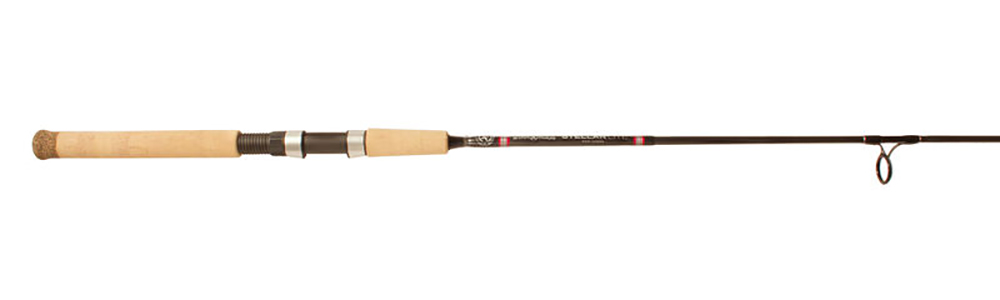
What Are Spinning Rods?
Spinning rods are the most widely used rod style in the world—and for good reason. Designed to pair with open-faced spinning reels mounted beneath the blank, they excel with lighter lines, finesse presentations, and a wide range of lure types that would be difficult to cast effectively on other platforms. Their forgiving nature makes them ideal for anglers at any skill level, while their versatility ensures they remain a go-to tool even as skills advance.
Spinning rods allow easy adjustment of line weights and leader setups on the water, adapting to changing conditions without swapping rods. They handle light jigs, soft plastics, live bait, topwater lures, and cut bait with equal competence—which is why spinning rods remain a staple across freshwater and saltwater fisheries worldwide. Pair yours with one of our matched spinning reels or browse our rod and reel combos for a pre-balanced, expert-curated setup.
Key Advantages of Spinning Rods
-
Ease of Use: The spinning platform dramatically reduces line tangles and casting errors compared to baitcasting systems. Minimal learning curve makes spinning rods ideal for youth, casual anglers, and anyone new to fishing.
- Exceptional Versatility: From ultralight panfish presentations to medium-heavy inshore setups for redfish and snook, spinning rods cover a remarkably broad range of applications. They accommodate jigs, spoons, live bait, topwaters, and soft plastics with equal ease.
- Casting Range and Control: Spinning rods deliver long, accurate casts even in windy coastal conditions, and their open-face design allows smooth line release that baitcasters can’t match with lighter lures.
- Forgiving Fish-Fighting Characteristics: The rod’s action and below-rod reel position work together to absorb sudden runs and head shakes, reducing pulled hooks and broken leaders when species make aggressive surface moves.
Where Spinning Rods Shine
-
Top Applications: Inshore fishing, shore casting, kayak fishing, pier fishing, surf fishing, and freshwater lakes and rivers
- Target Species: Redfish, snook, speckled trout, flounder, bass, crappie, walleye, trout, pompano, and whiting
- Optimal Pairing: Light braided line (10–20 lb) with a fluorocarbon leader maximizes sensitivity while maintaining stealth in clear water or heavily pressured fisheries—often making the difference between getting bites and going home empty-handed.
Spinning Rod Features and Top Brands
West Marine carries spinning rods from Shimano, Penn, Daiwa, and St. Croix. When evaluating models, prioritize these construction features:
- Graphite or carbon-fiber blanks for lightweight sensitivity that transmits bites clearly up the rod
- Stainless-steel or ceramic-lined guides for strength, corrosion resistance, and smooth line flow
- Ergonomic EVA or cork grips for all-day comfort and reliable hold in wet conditions
- Appropriate rod length for your application: Shorter rods (6’–6’6”) offer better control from kayaks and tight shorelines; longer rods (7’–8’+) maximize casting distance in open water and surf zones
Power ratings from medium-light through medium-heavy cover the vast majority of spinning applications, making this category highly customizable to individual preferences and target species. Store your spinning rods properly between trips with a quality fishing rod storage rack to protect the blank and guides from damage.
Conventional Rods: Built for Offshore Power
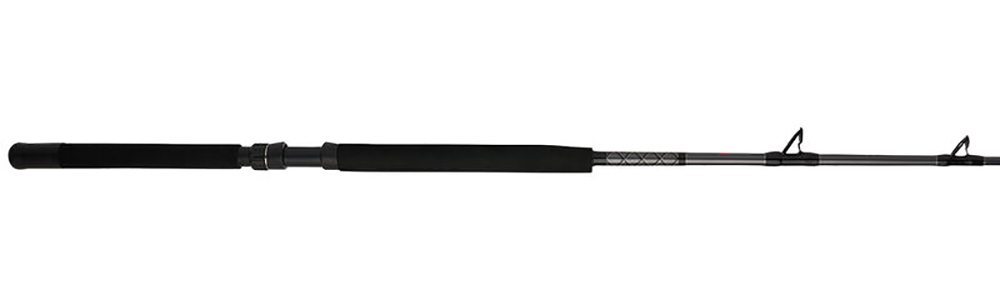
What Are Conventional Rods?
Conventional rods are purpose-built for power, durability, and maximum line capacity—making them the definitive choice for deep-sea fishing, offshore trolling, and bottom fishing for large species. Unlike spinning rods, conventional rods are designed to work with reels mounted on top of the blank, allowing anglers to apply direct downward pressure during prolonged fights and improve leverage when lifting fish vertically from depth.
This top-mounted configuration is essential in offshore and deep-water environments where equipment stress, fish size, and fight duration increase dramatically. The physics of the conventional setup deliver significantly more cranking leverage than spinning, which is why serious offshore captains rely on conventional rods almost exclusively. Pair yours with one of our matched conventional reels for a system optimized for offshore performance.
Key Advantages of Conventional Rods
-
High Lifting Strength and Torque: Built to handle heavy braided and monofilament lines, sustain maximum drag pressure, and muscle large fish up from depth without blank failure under extreme load.
- Purpose-Built for Trolling: Conventional rod blanks are engineered to absorb the constant load of trolling at speed with planers, spreader bars, skirted lures, and deep-diving plugs without fatiguing the blank over time.
- Exceptional Structural Durability: Reinforced composite or fiberglass blanks, robust reel seats, and roller guides withstand the high drag forces, torque, and corrosive saltwater environment of offshore fishing.
- Superior Stability Under Load: Conventional rods maintain control in rough seas and strong currents, prioritizing strength and rigidity over finesse—critical when brute force and reliability matter more than casting precision.
Where Conventional Rods Excel
-
Top Applications: Offshore trolling, deep-drop bottom fishing, drift fishing over wrecks and reefs, live-bait kite fishing, and heavy jigging
- Target Species: Tuna, wahoo, mahi-mahi, grouper, snapper, amberjack, swordfish, sailfish, and blue marlin
- Optimal Pairing: Pair with a high-capacity conventional reel loaded with heavy braided backing and a monofilament or fluorocarbon top-shot for the right combination of line capacity, stretch, and abrasion resistance at depth
Many serious offshore anglers maintain separate conventional rods for specific tasks—one for trolling, another for deep-drop bottom fishing, and a third for high-speed jigging. This specialization optimizes performance at different depths and retrieval speeds, particularly valuable when targeting multiple species on the same offshore trip.
Conventional Rod Features and Top Brands
West Marine carries premium conventional rods from Shimano, Penn, Daiwa, and Star Rods. Key construction features to evaluate:
- Composite or fiberglass blanks for unmatched power, resilience, and resistance to fatigue under sustained load
- Roller guides to minimize line friction and heat buildup when fighting large fish on heavy monofilament or braid
- Corrosion-resistant hardware and reel seats for extended longevity in harsh saltwater environments with minimal maintenance
- Longer handles with durable grips for added leverage when lifting heavy fish and reliable control when hands are wet or gloved during extended offshore sessions
Baitcasting Rods: Precision for Experienced Anglers
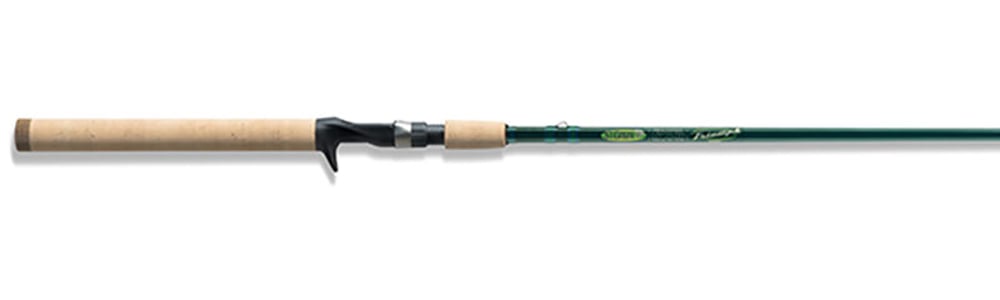
What Are Baitcasting Rods?
Baitcasting rods are designed for experienced anglers who demand precision lure placement, superior line control, and the sensitivity to detect subtle bites through braided line. Paired with baitcasting reels mounted on top of the blank, they allow anglers to target specific locations with accuracy that spinning setups simply cannot replicate—under docks, along seawalls, into laydowns, or tight against any structure where fish hold and feed.
Baitcasting rods reward patience and practice. The learning curve is real, but the payoff is unlocking a level of casting accuracy and lure control that elevates your fishing in structure-heavy environments. Once mastered, the combination of a quality baitcasting rod, matched baitcasting reel, and low-stretch braid transforms how efficiently you work a piece of structure in a single session.
Key Advantages of Baitcasting Rods
-
Pinpoint Casting Accuracy: Perfect for placing lures precisely into tight cover—skipping docks, pitching to pilings, or dropping jigs into small pockets of structure where fish are holding.
- Strong Backbone for Powerful Hooksets: The top-mounted reel configuration and stiffer blank action work together to drive hooks home quickly and pull fish away from cover before they can bury themselves in structure.
- Enhanced Lure Control and Sensitivity: Fine-tune lure speed, depth, and presentation in real time. Low-stretch braid on a baitcasting setup transmits bottom composition, lure action, and subtle strikes with exceptional clarity.
- Efficiency in Repetitive Casting: Whether skipping a single dock repeatedly or working a stretch of shoreline methodically, baitcasting rods maintain consistent presentation efficiency and reduce angler fatigue during long sessions.
Where Baitcasting Rods Are Best
-
Top Applications: Pitching jigs, flipping soft plastics, working crankbaits and swimbaits around structure, throwing heavy topwater lures, and any technique requiring accuracy over distance
- Target Species: Largemouth and smallmouth bass, redfish, snook, striped bass, and any species holding tight to structure in both inshore saltwater and freshwater environments
- Rod Balance Matters: A well-balanced baitcasting rod reduces wrist strain and improves casting rhythm, allowing longer fishing sessions without fatigue. Matching rod length and power to your reel size and primary lure weight is critical for best results.
Baitcasting Rod Features and Top Brands
West Marine carries baitcasting rods from Abu Garcia, Lew’s, Shimano, and G. Loomis. Key features that separate quality baitcasting rods from average ones:
- Lightweight carbon-fiber blanks that are strong enough to handle heavy braid and big fish, while remaining sensitive enough to transmit subtle bites
- Split-grip handles that reduce overall weight and improve balance, reducing strain during a high-volume casting day
- Micro-guide systems that keep line close to the blank for improved blank feel, reduced guide weight, and more accurate casts at distance
Beyond specifications, comfort and responsiveness in hand matter as much as any spec sheet figure. Grip size, overall weight, and action feel are subjective but critical factors that affect confidence and fishing enjoyment. When possible, handle a rod before buying to confirm it feels right for your casting style and hand size.
How to Choose the Best Fishing Rod: Key Factors
Once you’ve identified the right rod type for your fishing style, these additional criteria help narrow the field to the specific rod that will perform best for your situation.
1. Target Species and Lure Weight
-
Match your rod’s power rating (ultralight through heavy) to the size of fish you’re pursuing. Heavier power ratings provide more backbone for large fish; lighter ratings preserve sensitivity and casting feel for smaller species and finesse presentations.
- Check the rod’s listed lure weight range on the blank and select a rod whose range centers on the lure weights you use most. Casting lures outside the rated range significantly reduces performance and can stress the blank.
Choosing the wrong power rating leads to underperforming gear—either struggling to cast effectively with lures that are too heavy, or lacking the strength to control and land fish that exceed the rod’s design limits. Selecting a rod rated for your most commonly used lures and target species ensures smoother casting and better energy transfer on the hookset.
2. Fishing Location and Environment
-
Consider where you’ll be fishing: casting from shore, a kayak, a center console offshore boat, a pier, or a flats skiff. Each scenario has different casting space, rod length requirements, and exposure to the elements.
- Environmental factors—wind, current speed, casting obstructions, and available deck space—should directly influence rod length selection. Open surf zones and beaches benefit from longer rods (9’–12’) for maximum casting distance, while confined spaces like kayaks and backwater creeks favor shorter, more maneuverable options (6’–6’6”).
3. Rod Action
-
Fast Action: The blank bends primarily in the upper third, delivering heightened sensitivity and quick, crisp hooksets. Best for single-hook lures, bottom fishing, jig fishing, and any technique where detecting subtle bites quickly is critical.
- Moderate Action: The blank bends through the upper half, balancing casting distance, lure action, and fish-fighting cushion. Ideal for treble-hook lures like crankbaits and topwaters, where a slightly softer tip helps keep fish pinned during head shakes.
- Slow Action: The blank bends through most of its length, offering maximum flex and load absorption. Best suited for heavy trolling applications and fighting large pelagic fish where cushioning sudden runs is more important than sensitivity.
Action affects not just hooksets, but also how effectively a rod transfers energy into lure movement and how it cushions aggressive fish runs. Faster actions transmit vibration more efficiently; slower actions protect light leaders and prevent hook pulls—making this choice especially important when targeting species known for explosive strikes or delicate mouths.
4. Rod Material
-
Graphite or Carbon Fiber: Lightweight and highly sensitive, graphite blanks transmit vibration exceptionally well—making them the preferred choice for finesse tactics and any situation where detecting subtle bites gives you a real advantage.
- Fiberglass: Durable and forgiving, fiberglass blanks absorb impact and tolerate abuse better than graphite. They’re the right choice for heavy offshore trolling, children’s rods, and high-wear situations where durability matters more than maximum sensitivity.
- Composite Blends: Combine graphite’s sensitivity with fiberglass’s durability for all-purpose performance across a wide range of fishing styles. An excellent choice for anglers who want a single versatile rod that handles multiple applications well.
Material choice affects long-term durability as much as day-to-day performance. While graphite delivers superior sensitivity, fiberglass and composite blanks tolerate repeated stress and accidental impacts better, making them more practical for beginners, offshore use, or situations where gear sees frequent hard use.
Shop Fishing Rods at West Marine
West Marine is your complete destination for fishing rods and everything needed to build a high-performing setup around them. Our curated selection of spinning rods, baitcasting rods, and conventional rods is backed by decades of on-the-water expertise. Whether outfitting for coastal flats fishing, gearing up for offshore battles, or targeting freshwater trophies, our team helps you find the right rod for the right situation.
Complete your setup with matched fishing reels, quality fishing line and leaders, and terminal tackle for any technique or target species. Browse our rod and reel combos for expertly matched, ready-to-fish setups—or build your own from our full selection of individual components. Protect your investment between trips with a fishing rod storage rack designed to keep blanks and guides in top condition.
Choosing the right fishing rod is more than a technical decision—it’s about building a setup that matches where you fish, what you chase, and how you like to fish. The right rod unlocks new experiences, supports skill development, and makes every trip more productive and enjoyable. Invest in the right rod today and you’ll face fewer limitations as your fishing evolves. Explore the full West Marine fishing department online or stop by your local West Marine store for expert guidance from anglers who fish the same waters you do.