Surf, Jetty & Kayak Fishing Gear Guide: Techniques, Tackle & Expert Tips
Choosing the right surf fishing gear, terminal tackle, and technique is what separates a productive day on the water from coming home empty-handed. Whether you’re working the shoreline with a surf rod, picking apart a rocky jetty, or paddling into backwaters on a kayak, proper preparation is everything. This guide from West Marine’s fishing experts covers proven fishing gear recommendations, real-world techniques, and maintenance knowledge to help you fish smarter at every stage.
Surf Fishing: Mastering Tides and Distance
Surf fishing demands the ability to recognize and adapt to changing conditions — fishing incoming tides, and using longshore, rip, and tidal currents to your advantage. You need surf fishing gear that lets you cast as far as possible, preferably beyond the breakers where hungry fish hunt for food.
Tide & Distance Tips
- Focus on incoming tides, when rising water moves bait closer to shore and increases feeding activity.
- Identify longshore, rip, and tidal currents that funnel bait and create ambush points.
- Cast beyond the breakers to reach deeper water where larger fish often patrol.
- Target troughs and cuts between sandbars, which frequently hold feeding fish closer to shore.
- Adjust sinker weight and rig strength based on wind, wave height, and current strength.
- Prioritize water movement and structure over fixed casting distances.
Choose Your Surf Fishing Rod and Reel
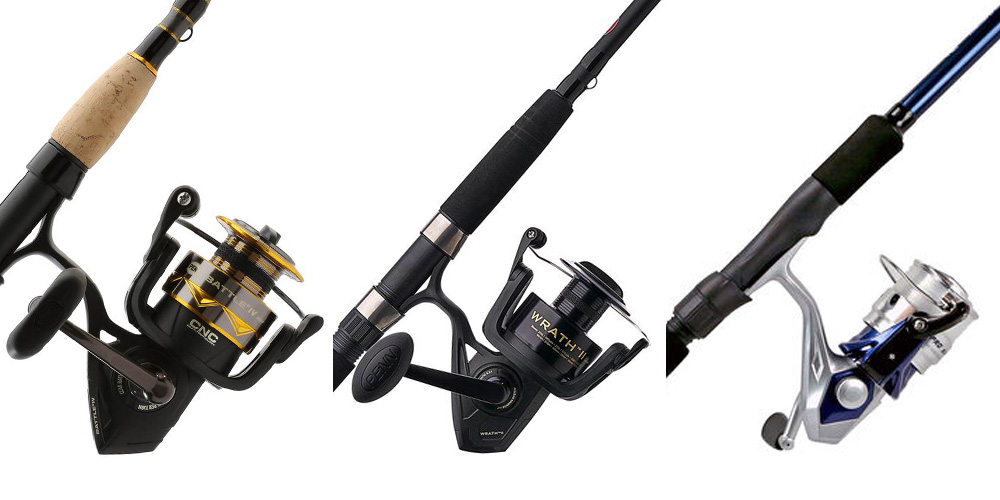
When shopping for a surf fishing rig, you can purchase your rod and reel separately, or opt for a spinning rod and reel combo like what you see here. Left to right: Penn Battle IV, Penn Wrath II, Okuma Elite Pro spinning combos.
A balanced surf fishing rod and reel setup is the foundation of every productive session. A typical setup is a medium-heavy to heavy action 10–12 foot surf rod paired with a long-cast spinning reel loaded with 20–30 pound test fishing line — giving you the distance to launch baits beyond the breakers and reach distant troughs.
The Perfect Surf Fishing Combo
- Use a 10–12 foot surf rod for improved casting distance and line control over waves.
- Choose a medium-heavy to heavy action rod to handle current, sinker weight, and strong fish.
- Pair with a saltwater-rated long-cast spinning reel designed for distance and durability.
- Spool reels with 20–30 pound test fishing line for strength, abrasion resistance, and castability.
- Look for corrosion-resistant materials to withstand salt and sand exposure.
- Prioritize smooth drag systems and secure grips for control during long fights in the surf.
Surf Fishing Terminal Tackle and Baits
Depending on where you fish and what you want to catch, options include fishing with variations of Carolina rigs, Pyramid sinker rigs—or casting artificial fishing lures and baits.
- Carolina Rig: Rigged with a sliding egg sinker, these setups allow for a natural presentation of the bait. Unlike pyramid sinker rigs — which are better for anchoring bait in one place — they allow the bait to move freely with the current. Browse West Marine’s full selection of terminal tackle to build out your rig kit.
- Pyramid Sinker Rig: Best for anchoring your bait in one location, or limiting bait movement against the force of currents and waves. Pyramid sinker rigs can be configured as hi-lo rigs that deploy two baits at different depths.
- Cut Bait: Fresh bait such as clams, shrimp, cut mullet, or squid capitalizes on fish’s sense of smell and draws more consistent strikes. See our full range of fishing lures and bait.
- Live Bait: Live bait — shrimp, bloodworms, sand crabs, and small baitfish — generally outperforms dead bait in the surf zone.
- Artificial Lures: Metal spoons, soft plastic swimbaits and grubs, topwater plugs and poppers, lead-head jigs, and spinnerbaits can all be effective depending on conditions and target species. Shop surf fishing lures at West Marine.
Other Surf Fishing Gear
Apart from your rod, reel, and terminal tackle, consider adding a sand spike or fishing rod holder so you can set your rod down while you take a break or re-rig. Here are a few other items worth adding to your surf kit:
- Bait and fillet knives
- Waders for cold water
- Broad-brimmed hat to protect against the sun
- Beach chair
- 5-gallon plastic bucket
Surf Fishing Techniques and Timing
Success starts with reading the water. Look for cuts between sandbars and the deeper troughs just behind the breakers — these channels concentrate bait and create prime ambush points for striped bass, redfish, pompano, and other surf species. Focus your sessions around early mornings and incoming tides: rising water moves bait within casting range and sparks feeding activity. Rig preparation counts too — inspect and sharpen hooks, reinforce leaders, and use pre-tied rigs for faster adaptation to daily conditions.
Techniques For Surf Fishing
- Read the water before casting, looking for cuts between sandbars, deeper troughs behind the breakers, and areas where waves break unevenly — these features funnel bait and attract feeding fish.
- Target moving water, focusing on incoming tides when rising water pushes bait closer to shore and increases feeding activity.
- Fish early mornings and low-light periods, when predatory fish are more active and less cautious in the surf zone.
- Adjust casting distance based on conditions, aiming beyond the breakers when needed, but also probing closer troughs that often hold fish.
- Inspect and prepare rigs before fishing, sharpening hooks, checking knots, and reinforcing leaders to handle strong surf and abrasive sand.
- Carry pre-tied or hand-tied rigs to quickly adapt to changing wave action, current strength, and target species throughout the session.
Maintaining Surf Fishing Gear
Salt and sand take a toll on surf equipment, so thorough cleaning is essential after every outing. Rinse rods, reels, and line with low-pressure freshwater and open drags to release salt residue. Store your rods upright and check for frayed line or damaged guides. Consistent care ensures gear integrity trip after trip.
How To Maintain Your Surf Fishing Gear
- Rinse rods, reels, and line with low-pressure freshwater after every trip, removing salt and sand without forcing debris deeper into components.
- Open reel drags during rinsing to help flush out salt residue and prevent corrosion inside the drag system.
- Inspect fishing line regularly for abrasion, especially near knots and leader connections where sand and shell contact cause the most wear.
- Check rod guides for cracks or chips, as damaged guides can quickly fray line and lead to unexpected break-offs.
- Store rods upright or on a fishing rod storage rack, preventing blank warping and protecting guides between outings.
- Perform routine maintenance such as re-lubricating reels and replacing worn components to ensure reliable performance trip after trip.
Jetty Fishing: Navigating Structures
Jetty fishing offers unique access to fish that shelter among rocks, pilings, and swirling currents. These man-made structures form complex habitats where a variety of species congregate. Along the Gulf and East Coasts, this includes sheepshead, drum, flounder, and snook. Around West Coast jetties, lingcod, cabezon, and perch are commonly found.
Select Gear for Jetty Fishing
Jetty environments are demanding, so choose a medium-heavy fishing rod paired with a tough spinning or conventional reel that can handle both the power of big fish and the abrasion risks of rugged structure. High-visibility braided fishing line boosts sensitivity and strength, while a fluorocarbon leader provides abrasion resistance and stealth in clear water. Proven baits — live shrimp, strips of cut bait, and compact jigs or small plugs — adapt well to the variable conditions found along jetties.
Sturdy equipment gives you a better chance of landing fish when battles take place close to rocks or concrete. Always carry spare leaders, hooks, sinkers, and other terminal tackle — snags are inevitable and having backups keeps you fishing.
Proper Jetty Fishing Gear
- Choose a medium-heavy fishing rod with enough backbone to control strong fish while still offering sensitivity for detecting bites around structure.
- Pair it with a durable spinning or conventional reel capable of handling abrasion, sudden runs, and heavy drag pressure close to rocks or concrete.
- Use high-visibility braided fishing line for strength, sensitivity, and improved line management in moving water and changing light conditions.
- Add a fluorocarbon leader to provide abrasion resistance and reduce visibility in clear water where fish may be line-shy.
- Select proven jetty fishing lures and baits, including live shrimp, strips of cut bait, compact jigs, and small plugs that work well in tight, structure-heavy environments.
- Carry extra terminal tackle — leaders, hooks, sinkers, and swivels — snags are common, and having backups keeps you fishing longer.
Jetty Fishing Techniques and Safety
There are two core approaches to jetty fishing. The first is to cast up-current, away from the jetty, and allow your bait to drift naturally past key ambush points — taking advantage of running tides to funnel food toward waiting fish. The second is to drop your bait directly into the holes between the rocks where fish often lurk. Wear sturdy, non-slip footwear on the rocks, stay mindful of changing tides, and keep a sharp eye for rogue waves.
Top Jetty Fishing & Safety Techniques
- Cast up-current and allow your bait to drift naturally past rock edges and current seams where fish wait for food to be swept toward them.
- Drop baits directly into holes and crevices between rocks, targeting the sheltered areas where fish often hold.
- Adjust presentation based on tide movement, focusing efforts when current is moving and feeding activity increases.
- Wear sturdy, non-slip footwear to maintain traction on uneven, algae-covered rocks.
- Stay aware of changing tides and wave action, keeping a safe distance from edges and watching for rogue waves that can arrive unexpectedly.
Fishing The Jetty Responsibly
Keeping our coastlines and beaches clean and litter-free is just as important as catching fish. Keep your area organized, stow tackle out of walkways, and always take out what you bring in. Common courtesies like these help ensure a clean, welcoming environment for everyone.
Rules to Follow On The Jetty
- Keep your fishing area organized, storing tackle and gear out of walkways to reduce hazards for other anglers and pedestrians.
- Pack out everything you bring in, including used line, bait packaging, and discarded tackle.
- Avoid damaging rocks or marine life, and take care when moving through sensitive shoreline areas.
- Respect other anglers and shared spaces, helping maintain a clean, safe, and welcoming environment along the coast.
Kayak Fishing: Mobility and Precision
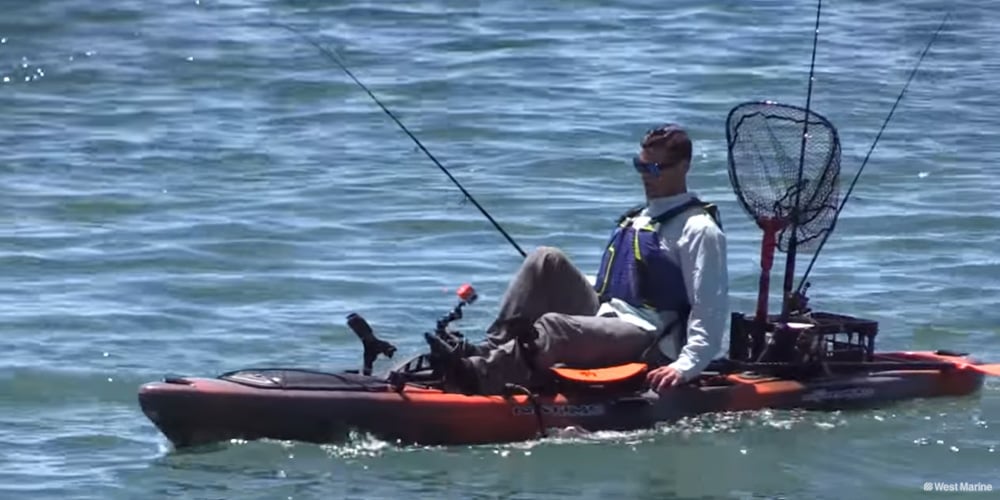
With his customized sit-on-top kayak featuring pedal propulsion, conveniently placed fishing rod holders, an action camera, a landing net, and other fishing accessories, this angler has everything he needs for a great day on the water.
Apart from being a great form of exercise, kayak fishing opens up possibilities that bank and boat anglers simply can’t access — bringing you quietly into backwaters, weed edges, or nearshore reefs. Close proximity to the water, combined with stealth and maneuverability, makes every tug and strike feel even more exhilarating.
Preparing Your Kayak Fishing Setup
Start with a stable sit-on-top fishing kayak, ideally equipped with pedal drives to keep your hands free for casting and control. Boost your setup with fishing-specific additions: a battery-powered bait tank with aeration, extra rod holders, a camera mount, and an anchor system or drogue. Safety comes first — always wear a properly fitted personal flotation device (PFD) and stow emergency essentials within reach.
Kayak anglers can significantly boost their catch rate by installing a fish finder/GPS for locating fish, marking productive spots, and navigating confidently as conditions change.
Recommended Preparations for Your Kayak Fishing Gear
- Choose a stable sit-on-top fishing kayak designed for angling, offering better balance, drainage, and gear access compared to recreational kayaks.
- Opt for a pedal-drive system when possible, keeping your hands free for casting, working lures, and fighting fish while maintaining precise boat control.
- Add fishing-specific accessories such as a battery-powered bait tank with aeration, extra rod holders, a camera mount, and an anchor system or drift drogue to manage positioning.
- Wear a properly fitted personal flotation device (PFD) at all times, and ensure it allows full arm movement for paddling and casting.
- Stow essential safety gear within arm’s reach, including a whistle, knife, light, and communication device — accessibility matters in emergencies.
- Install a fish finder/GPS unit to locate structure, mark productive areas, track drift paths, and navigate confidently as tides, wind, or visibility change.
Kayak Fishing Techniques & Tricks
Kayaks excel at stealth — quiet paddling lets you approach fish without disturbing them. Use your kayak’s shallow draft to reach marsh edges, grass flats, and secluded back bays that powerboats can’t access. When fighting big fish, keep rods low to maintain balance and reduce the chance of capsizing. Before heading out, always check the weather and water conditions, and share a float plan with someone on shore including your launch location and expected return time.
Kayak Fishing Tips & Tricks
- Take advantage of kayak stealth, using quiet paddling and controlled movement to approach fish without spooking them in shallow or pressured water.
- Use the kayak’s shallow draft to access hard-to-reach areas, such as marsh edges, grass flats, mangrove shorelines, and protected back bays that larger boats can’t reach.
- Position your kayak using wind, current, or an anchor system, allowing baits and lures to drift naturally through strike zones.
- Keep rods low and centered when fighting larger fish, maintaining balance and reducing the risk of tipping or capsizing during strong runs.
- Learn to paddle efficiently against wind and current, improving control when repositioning or returning to launch in changing conditions.
- Plan every outing carefully, checking weather, tide charts, and water conditions, and always share a float plan with someone on shore before launching.
Kayak Safety and Maintenance
Kayak fishing is as much about preparation as it is about technique. Practice self-rescue so you can re-board confidently in the event of a capsize. Give your kayak and all fishing tackle and accessories a thorough freshwater rinse after every use — especially following saltwater trips — and keep your electronics protected. Consistent care keeps your setup performing reliably season after season.
Kayak Safety Tips
- Practice self-rescue regularly so you can re-enter your kayak confidently after a capsize, even in wind, waves, or strong current.
- Always wear a properly fitted PFD, regardless of water conditions or distance from shore. Sudden balance shifts or unexpected strikes can happen without warning.
- Secure rods, paddles, and loose gear with leashes or tethers to prevent loss and reduce hazards if the kayak overturns.
- Check weather, tides, and wind forecasts before launching, and avoid offshore runs when conditions are expected to change rapidly.
- Share a float plan with someone on land, including your launch location, planned route, and return time.
- Carry essential safety gear within easy reach — a whistle, knife, light, and communication device — not buried in a hatch.
Kayak Maintenance Tips
- Rinse your kayak, rods, reels, and accessories with fresh water after every trip, especially after saltwater use. Salt and sand accelerate corrosion and wear.
- Inspect the hull, scupper holes, and mounting points for cracks or damage, paying close attention to high-stress areas around accessory mounts.
- Clean and lubricate pedal drives, rudders, and steering cables according to manufacturer recommendations to maintain smooth, reliable operation.
- Protect electronics by sealing connections and using waterproof housings, and disconnect batteries when the kayak is not in use.
- Store your kayak properly between trips, supporting it evenly and keeping it out of prolonged direct sunlight to prevent hull deformation and UV damage. Store fishing rods on a proper rack to prevent warping.
- Check rigging, straps, and bungee cords for wear, replacing frayed or weakened components before they fail on the water.
Fish Smarter, Adapt Faster, and Enjoy Every Cast
Surf, jetty, and kayak fishing each reward anglers who understand their environment and adjust accordingly. Success comes from choosing the right fishing gear, reading conditions, and applying techniques that match the water in front of you. Every tide, current, and launch spot offers a new lesson — and each trip builds experience that carries forward.
Not every outing ends with a full cooler, and that’s part of what makes fishing worthwhile. Time on the water sharpens skills, builds confidence, and deepens your connection to the places you fish. With preparation, patience, and the willingness to learn, consistency follows — and the catches come more often.
Backed by decades of on-the-water expertise, a nationwide network of stores, and a complete selection of fishing rods, reels, lures and bait, terminal tackle, and fishing accessories, West Marine is here to support anglers at every stage — from shoreline casts to quiet backwater launches. Wherever your next fishing opportunity takes you, we’re ready to help you make the most of it.