Boat Safety Gear, Life Jackets, Flares, Life Rafts & More

Safety


Put Boat Safety First
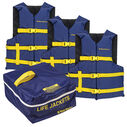
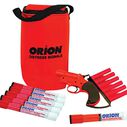
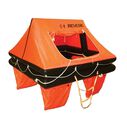
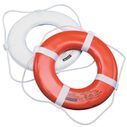
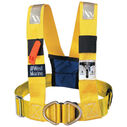
Shop our complete selection of boat safety gear. At a minimum, you need to meet US Coast Guard requirements for marine safety. Required safety equipment includes personal flotation devices like life jackets or other PFDs. Some boats must carry throwable flotation such as buoyant cushions, life preserver rings and horseshoe buoys. Boats must carry a sound producing device. Examples include horns and whistles. Regulations require most boats carry visual distress signals. These include aerial flares and handheld flares. For going offshore, we suggest SOLAS flares. Strangely enough, you are not required to carry an EPIRB or a PLB. We recommend that you do.
Marine Safety Gear FAQ
The U.S. Coast Guard requires boats to carry specific safety equipment based on vessel size and use. At a minimum, you should have:
- Life Jackets (PFDs): One U.S. Coast Guard-approved life jacket per person onboard.
- Sound-Producing Device: A horn or whistle to signal your presence in fog or emergencies.
- Visual Distress Signals: Flares or signal lights for emergency situations.
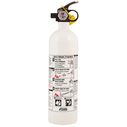
- Fire Extinguishers: Required for boats with enclosed fuel or engine compartments.
- Throwable Flotation Device: Boats over 16 feet must have a throwable Type IV PFD.
When selecting a life jacket, consider:
- Buoyancy: Choose a U.S. Coast Guard-approved Type I, II, III, or V PFD based on your activity.
- Fit: The jacket should be snug but not restrictive. Adjustable straps help ensure a secure fit.
- Intended Use: Different jackets are designed for specific activities like kayaking, sailing, or offshore boating.
- Inflatable vs. Foam: Inflatable life jackets offer comfort but require manual or automatic inflation.
While not legally required, both EPIRBs and PLBs enhance safety:
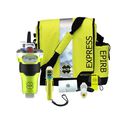
- EPIRB (Emergency Position Indicating Radio Beacon): Designed for boats, activates automatically when submerged.
- PLB (Personal Locator Beacon): Portable and manually activated, suitable for both land and water use.
- Both devices: Transmit distress signals to search and rescue teams via satellite.
A well-prepared ditch bag should include:
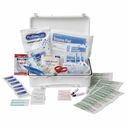
- First Aid Kit: Essential medical supplies for treating injuries.
- Water & Food Rations: Sufficient supplies to last at least 24-48 hours.
- Signaling Devices: Flares, whistle, and signal mirror for attracting rescuers.
- Waterproof Flashlight: Essential for visibility in low-light conditions.
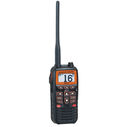
- VHF Radio: For emergency communication with the Coast Guard or nearby boats.
Both devices are used for emergency location tracking, but they differ in functionality:
- EPIRB: Mounted on a boat, activates automatically when submerged, providing continuous distress signals.
- PLB: Small, portable, and manually activated. Can be used on land or water.
- Key Difference: EPIRBs are designed for vessel safety, while PLBs offer individual rescue assistance.
Inflatable life jackets are safe and comfortable but come with key differences:
- Comfort: Less bulky, making them ideal for active boating.
- Activation: Some models require manual inflation, while others inflate automatically when submerged.
- Best Use: Recommended for experienced swimmers in controlled boating conditions.
- U.S. Coast Guard Approval: Ensure your inflatable PFD is USCG-approved for your specific activity.